







Is Paint Protection Film Worth It in Canada? An Honest Ottawa Installer’s Take
People ask Andy this almost every week at The Wrap Factory: is PPF actually worth it, or is it just an upsell? Fair question. He’s been doing vehicle wraps and paint protection in Ottawa for over a decade now, and his answer isn’t “yes, obviously” — it depends on what you drive, how you drive it, and how much a rock chip on your hood is actually going to bother you.
So here’s the honest version, not the sales pitch.
What PPF actually is
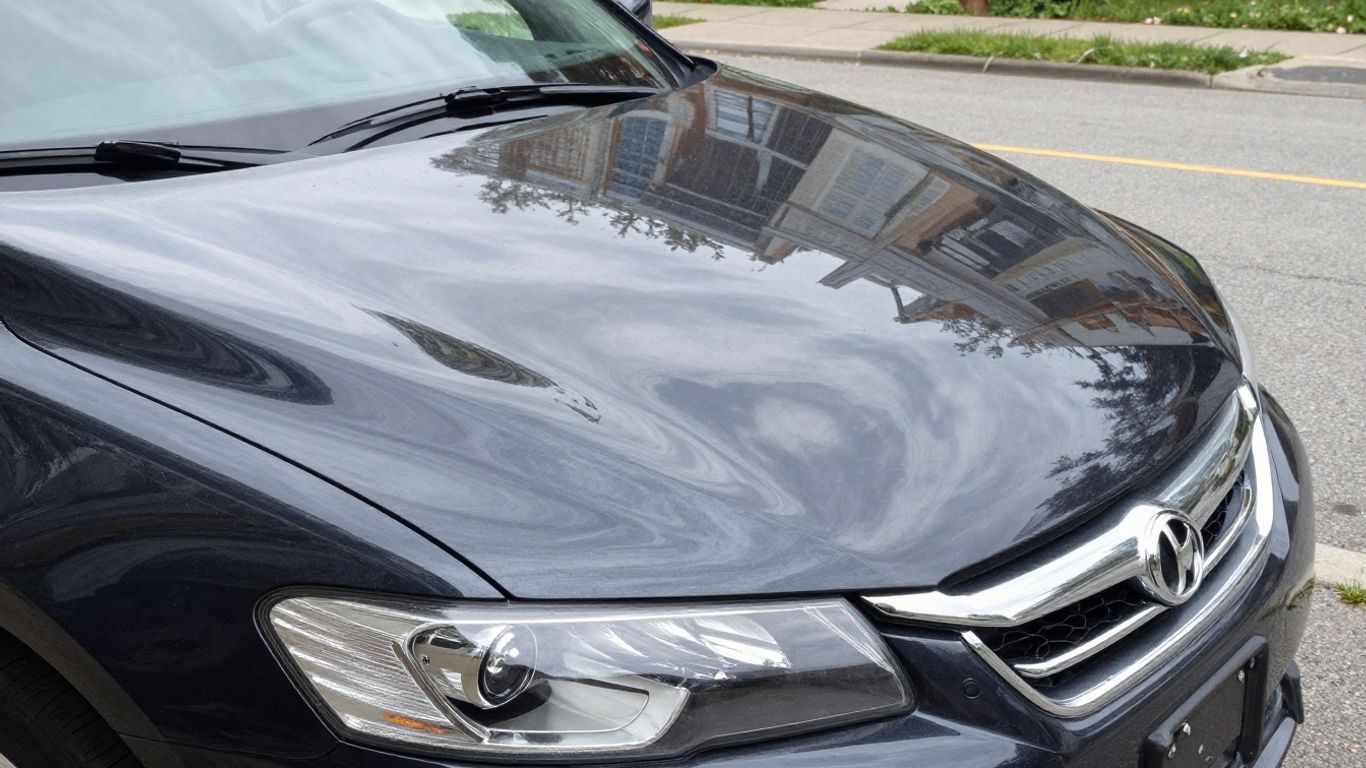
Paint protection film is a clear, flexible layer applied over your car’s paint — usually the front bumper, hood, fenders, mirrors, and rocker panels, since those take the brunt of everything the road throws at a car. It’s not a coating or a polish. It’s a physical film, and it’s designed to take the hit before your paint does.
“People think PPF and ceramic coating do the same job,” Andy says. “They don’t. Ceramic makes the paint easier to clean and gives it that gloss. PPF is the thing standing between a piece of gravel and your hood.”
You don’t have to wrap the whole car either. Plenty of Ottawa drivers just do the front end — hood, bumper, mirrors — and call it done. Others, especially people planning to keep a vehicle for years, go broader.
Why Ottawa specifically makes the case stronger
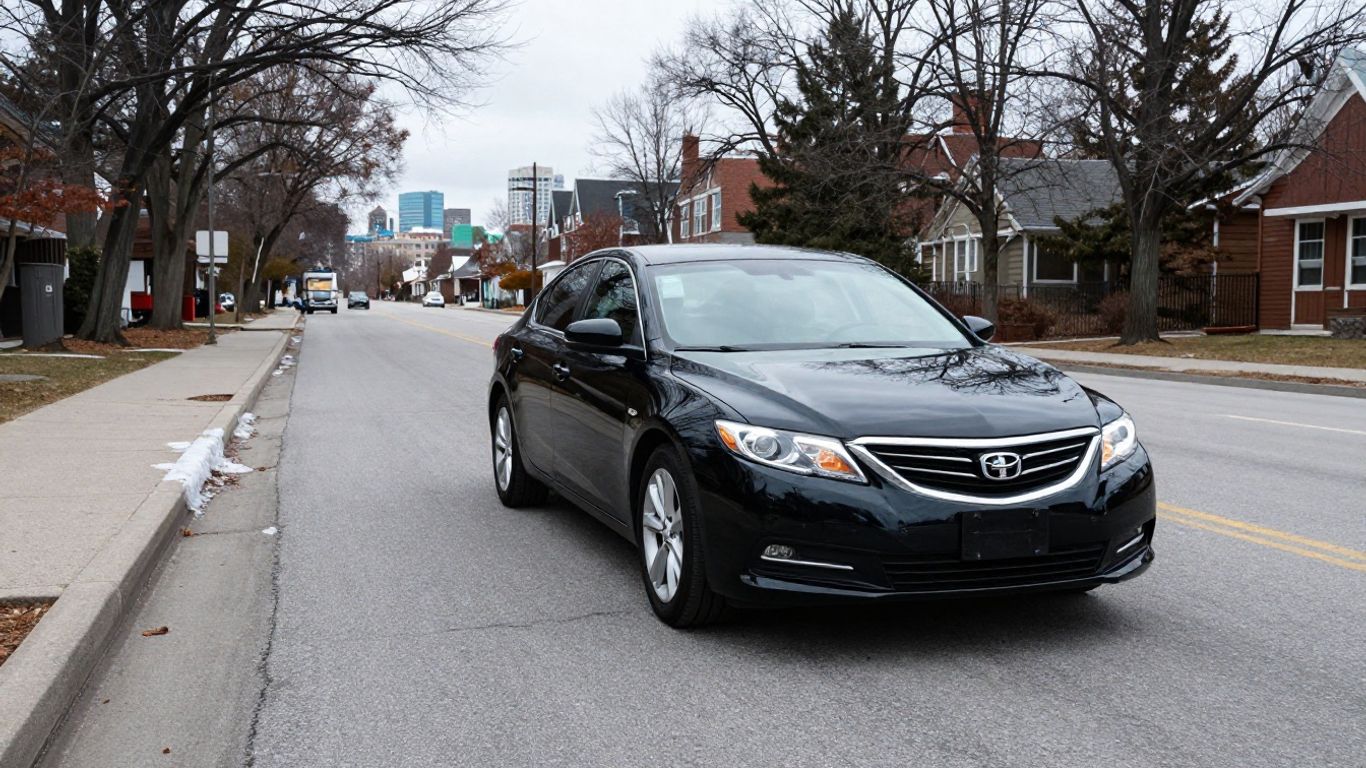
Ottawa isn’t gentle on paint. Winter means salt and grit sitting on the lower panels for months. Spring means potholes kicking up debris. Summer sun bakes bug splatter and tree sap onto the hood until it’s a pain to get off. None of that is unique to Ottawa, but the combination — real winters plus real highway commuting on the 417 or the Queensway — puts more wear on a front bumper here than a lot of other cities see in a year.
Andy’s seen the pattern enough times to call it early. “The clients who regret not doing it are almost always the highway commuters. Someone doing 20 minutes a day on 417 in the winter, that’s a different car in three years than someone whose car sits in a garage on weekends.”
That’s really the split. If your car is a daily driver taking highway grit and winter salt, front-end coverage pays for itself in the marks you never have to look at. If it’s a low-mileage second car, the math is a lot less clear-cut, and Andy will tell you that straight, not just tell you what you want to hear.
What it actually costs, and why quotes vary so much
There’s no single number for PPF in Ottawa. A front bumper and hood package is a completely different job from full-body coverage — different materials, different labour hours, different complexity depending on the vehicle’s curves.
What actually drives the price:
- How much of the car you’re covering (front end only vs. full vehicle)
- The shape of the vehicle — some hoods and bumpers are far more time-consuming to wrap cleanly than others
- The film itself
- How much prep the paint needs before installation
When you’re comparing quotes, ask exactly what’s included, not just the total. A cheap quote that skips mirrors and rocker panels isn’t actually cheaper than a complete one — it’s just missing pieces you’ll want later.
Installation is the part people underestimate
Here’s something Andy brings up unprompted almost every time: the film only performs as well as the person installing it. A rushed job shows up later as lifting edges, trapped dirt under the film, or visible seams where a careful installer would have tucked the edge cleanly.
“I’ve had people bring us cars where a chip is exactly where the film should have wrapped around an edge and didn’t,” he says. “That’s not a materials problem. That’s someone rushing the install.”
Before you book anywhere, ask to see actual completed work — not just marketing photos, close-up shots of edges and panel transitions. That’s where a rushed job shows itself.
Does it actually replace washing your car? No
PPF isn’t a maintenance-free shield. Salt and grit still need to be rinsed off — leaving them sitting on the film for weeks defeats a lot of the point. Bird droppings and tree sap should come off sooner rather than later too. Andy’s advice here is pretty simple: treat the film the way you’d treat good paint, just with slightly more margin for error.
So — is it worth it?
For a daily-driven car facing Ottawa winters, highway miles, and years of ownership ahead: usually yes, at least on the front end. For a low-mileage weekend car, or someone who’s genuinely fine touching up the odd chip themselves, the case is weaker, and there’s no shame in skipping it.
Andy’s actual advice to most people: “Don’t wrap the whole car because someone told you to. Wrap the parts that are actually taking the damage, and decide the rest based on how long you’re keeping the vehicle.”
Frequently asked questions
Does PPF stop every kind of damage?
No. It handles light chips, scuffs, and everyday road grime well. A serious impact or an accident can still damage the paint underneath.
Is it worth it on an older car?
It can be, as long as the paint is in decent shape before installation. Existing damage doesn’t disappear under the film — it’s still assessed first.
PPF or ceramic coating — which one do I actually need?
Different jobs. Ceramic is about gloss and easier cleaning. PPF is about physical protection from impacts. A lot of Ottawa owners end up doing both.
Do I still need to wash the car?
Yes. Salt, grit, and sap left sitting on the film cause the same problems they’d cause on bare paint, just one layer up.
Talk to Andy directly
If you want an honest read on whether PPF makes sense for your specific vehicle and how you drive it, that’s the conversation Andy has with people every day at The Wrap Factory. Get in touch and he’ll walk you through actual coverage options — no pressure toward the biggest package.